
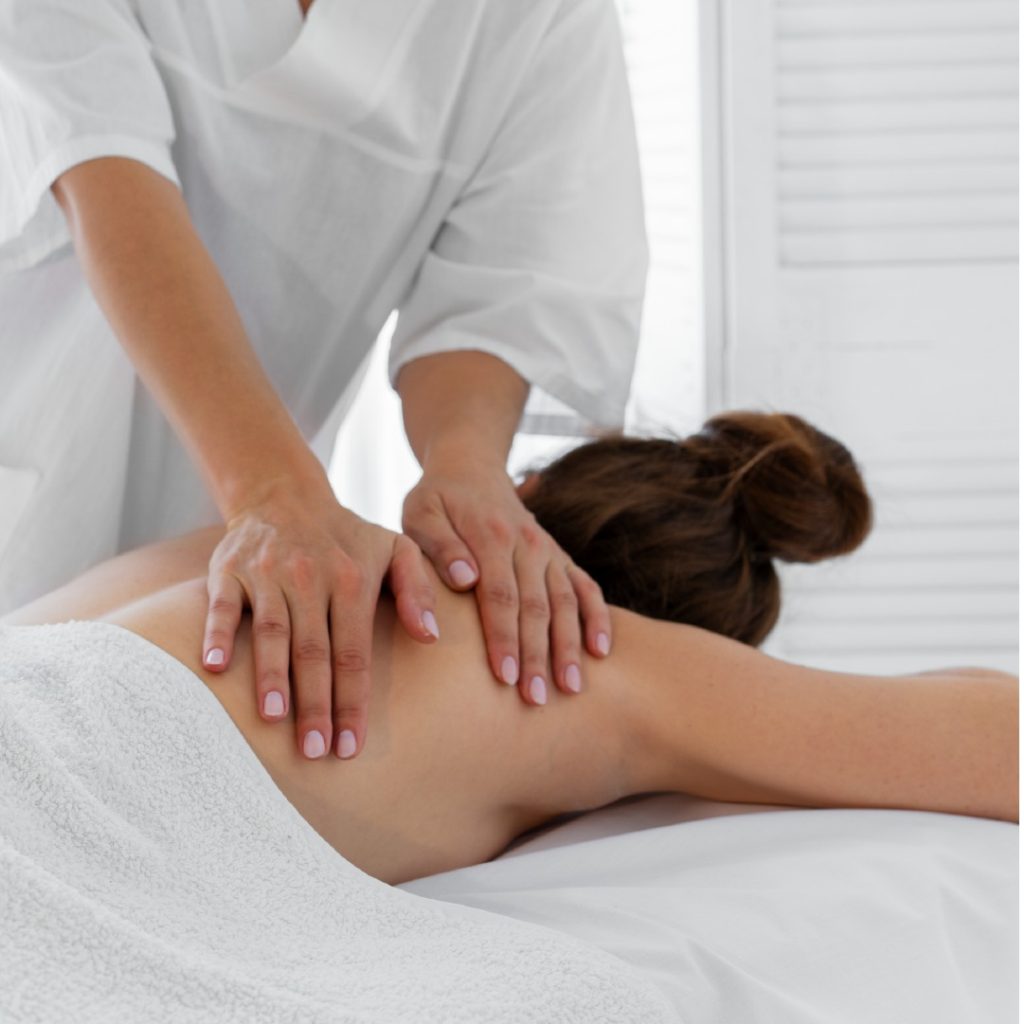

Massage therapy plays a crucial role in muscle recovery, offering a range of benefits that enhance physical well-being. This article delves into the importance of massage therapy for muscle recovery, exploring its physiological effects, types of massage, and optimal timing for treatments. Readers will learn how massage therapy can alleviate muscle soreness, reduce muscle tightness, and improve circulation, ultimately leading to faster recovery times.
Many athletes and fitness enthusiasts struggle with muscle tension and soreness after intense workouts, which can hinder performance and prolong recovery. Massage therapy provides a solution by promoting relaxation and enhancing blood flow to the muscles. We will cover how massage therapy enhances muscle recovery, the best types of massage for soreness, when to schedule post-workout massages, and how it improves circulation and reduces inflammation.
How Does Massage Therapy Enhance Muscle Recovery?
Massage therapy enhances muscle recovery through various physiological processes that promote healing and relaxation. By increasing blood flow to the muscles, massage helps deliver essential nutrients and oxygen while removing metabolic waste products. This process not only reduces muscle tension but also promotes relaxation, which is vital for effective recovery. Additionally, massage therapy can stimulate the production of endorphins, the body’s natural painkillers, further aiding in the recovery process.
What Physiological Processes Does Massage Influence for Recovery?
Massage therapy influences several physiological processes that are critical for muscle recovery. One significant effect is the reduction of muscle tightness and improved circulation, which can help alleviate soreness. While lactic acid is produced during intense exercise, current research indicates that it is cleared from muscles within an hour after exercise and is not the primary cause of delayed onset muscle soreness (DOMS). By enhancing blood circulation, massage facilitates the removal of metabolic waste products, allowing for quicker recovery. Furthermore, massage positively impacts muscle fibers by promoting relaxation and reducing tension, which can help prevent injuries and improve overall performance.
How Does Massage Reduce Muscle Inflammation and Soreness?
Massage therapy is effective in reducing muscle inflammation and soreness through various mechanisms. It promotes lymphatic drainage, which helps eliminate excess fluid and reduces swelling in the affected areas. Some studies suggest that massage can decrease levels of pro-inflammatory cytokines, which are responsible for muscle soreness and inflammation. Expert testimonials highlight that regular massage therapy can significantly alleviate post-exercise soreness, making it a valuable tool for athletes and active individuals.
Which Types of Massage Are Best for Muscle Soreness and Recovery?
Different types of massage offer unique benefits for muscle soreness and recovery, making it essential to choose the right technique based on individual needs.
- Deep Tissue Massage: This technique targets deeper layers of muscle and connective tissue, making it particularly effective for chronic pain and muscle tension. Athletes often benefit from deep tissue massage as it helps release tightness and improve flexibility.
- Sports Massage: Specifically designed for athletes, sports massage focuses on areas of the body that are overused and stressed from repetitive movements. It can enhance performance and reduce the risk of injury by preparing the muscles for activity and aiding in recovery afterward.
- Swedish Massage: Known for its gentle techniques, Swedish massage promotes relaxation and improves circulation. It is an excellent option for those looking to relieve stress and tension while still benefiting from muscle recovery.
What Are the Benefits of Deep Tissue Massage for Athletes?
Deep tissue massage offers several benefits for athletes, including targeted muscle relief and improved performance. By focusing on specific muscle groups, this technique can help alleviate chronic pain and tension, allowing athletes to train more effectively. Additionally, deep tissue massage can reduce recovery time by promoting blood flow and nutrient delivery to the muscles, ultimately enhancing overall athletic performance.
How Do Sports and Swedish Massages Support Muscle Healing?
Sports and Swedish massages support muscle healing through different techniques and outcomes. Sports massage employs specific strokes and pressure to address muscle tightness and enhance flexibility, making it ideal for athletes. In contrast, Swedish massage focuses on relaxation and overall well-being, which can also contribute to muscle recovery by reducing stress and promoting better sleep. Both types of massage can be beneficial, depending on the individual’s needs and recovery goals.
When Should You Get a Post-Workout Massage for Optimal Muscle Recovery?
Timing is important when it comes to post-workout massages for optimal muscle recovery. Ideally, a massage should be scheduled within 24 to 72 hours after intense exercise to maximize its benefits. This timeframe allows the body to begin the recovery process while still addressing any muscle soreness or tension that may have developed during the workout.
How Often Should Massage Therapy Be Incorporated into Recovery Routines?
Incorporating massage therapy into recovery routines can vary based on individual activity levels and needs. For athletes, regular sessions—typically once a week—can help maintain muscle health and prevent injuries. However, those engaging in less intense physical activity may benefit from monthly massages to support overall recovery and relaxation. Listening to your body and adjusting the frequency of massages based on soreness and tension levels is essential for optimal recovery.
What Are the Signs That Indicate You Need a Massage After Exercise?
Recognizing the signs that indicate a need for a massage after exercise can help enhance recovery. Common indicators include persistent muscle soreness, tightness, and reduced range of motion. Additionally, if you experience increased fatigue or difficulty sleeping, these may signal that your body requires the restorative benefits of massage therapy. Addressing these signs promptly can prevent further complications and support a more effective recovery process.
How Does Massage Therapy Reduce Muscle Inflammation and Improve Circulation?
Massage therapy plays a vital role in reducing muscle inflammation and improving circulation, both of which are essential for effective recovery. By applying pressure to the muscles, massage stimulates blood flow, which enhances the delivery of oxygen and nutrients while facilitating the removal of waste products. This improved circulation not only aids in muscle recovery but also promotes overall health and well-being.
What Role Does Massage Play in Lactic Acid Removal and Blood Flow Enhancement?
Massage contributes to blood flow enhancement, which helps transport metabolic waste products away from the muscles, reducing soreness and discomfort. While massage may aid in recovery, lactic acid is typically cleared from muscles naturally within an hour after exercise and is not the primary cause of muscle soreness. Additionally, the mechanical pressure applied during massage encourages blood vessels to dilate, further improving blood flow and nutrient delivery to the muscles. This process is crucial for effective recovery, especially after intense physical activity.
How Does Improved Circulation Accelerate Healing and Flexibility?
Improved circulation accelerates healing and flexibility by ensuring that muscles receive the necessary nutrients and oxygen for recovery. Enhanced blood flow promotes the repair of damaged tissues and reduces inflammation, leading to quicker recovery times. Furthermore, increased circulation can improve flexibility by allowing muscles to relax and elongate more effectively, which is essential for maintaining optimal performance in physical activities.
| Massage Type | Key Benefits | Ideal For |
| Deep Tissue Massage | Targets deep muscle layers, reduces chronic pain and muscle tension | Athletes, individuals with muscle tension |
| Sports Massage | Focuses on overused muscles, enhances performance | Athletes, active individuals |
| Swedish Massage | Promotes relaxation, improves circulation | General relaxation, stress relief |
This table highlights the distinct benefits of various massage types, helping individuals choose the most suitable option for their recovery needs.
Massage therapy is an essential component of muscle recovery, offering numerous benefits that enhance physical well-being. By understanding the different types of massage and their specific advantages, individuals can make informed decisions about incorporating massage into their recovery routines. Whether through deep tissue, sports, or Swedish massage, the right technique can significantly improve recovery times, reduce soreness, and promote overall health.